100 kVA vs 125 kVA Generator in Pakistan: Which Is Best for Industrial Use?
Explore differences between 100 kVA vs 125 kVA generators in Pakistan. Learn the difference between both generator set to find the right fit for industrial use.
Diesel generators play an important role in keeping businesses, factories, hospitals, warehouses, and commercial buildings running during power outages in Pakistan. However, like other heavy-duty machinery, generators can develop rust and corrosion when exposed to moisture, dust, heat, and improper storage. These problems may seem minor at first, but they can gradually damage metal surfaces, electrical connections, cooling components, and other important parts of the equipment. Pakistan’s varied climate makes regular generator maintenance particularly important. With proper protection, regular inspections, and support from experienced service providers like Hudson Engineering, businesses can improve generator reliability and extend equipment life.
Rust develops when iron or steel reacts with oxygen and moisture. Corrosion is a broader process that can affect different metals through chemical or electrochemical reactions. In diesel generators, these problems may appear on the engine casing, fuel tank, frame, fasteners, exhaust components, mounting brackets, and other metal surfaces. Karachi’s coastal atmosphere can expose equipment to salt-containing moisture, while rainwater, condensation, leaking fluids, and poor ventilation can increase the risk in other locations. Dust and industrial pollutants may also collect on surfaces and retain moisture. Recognizing these causes helps businesses choose appropriate diesel generator corrosion protection methods before the damage becomes serious.
Moisture can enter a generator enclosure through damaged seals, poorly fitted doors, roof leaks, or inadequate drainage. Condensation can also develop when warm, moist air comes into contact with cooler surfaces. Even when rainwater never reaches the equipment directly, repeated condensation may gradually damage metal components and electrical connections. Check enclosure seals, ventilation arrangements, doors, and cable entry points during routine inspections. Where the manufacturer recommends it, suitable space heaters or anti-condensation heaters can help keep electrical enclosures and alternators sufficiently dry during periods of inactivity. Humidity control is especially important for standby generators that remain idle for extended periods. Good moisture management is a key part of Diesel generator protection, especially in humid regions and coastal industrial facilities.
The location of a diesel generator has a direct effect on its exposure to moisture and environmental contaminants. Whenever possible, install the equipment in a dry, well-drained area with suitable ventilation and protection from direct rainfall. Outdoor generators should have an appropriately designed weatherproof enclosure that protects them from the elements without restricting the airflow required for engine cooling. In coastal locations, additional precautions may be necessary because salt-laden air can reach equipment even when it is not directly exposed to rain. A suitable installation balances weather protection with safe exhaust discharge, adequate cooling, and access for technicians.
Regular cleaning is a simple but effective way to reduce corrosion risks. Dust, mud, salt deposits, and oily residues can accumulate on generator surfaces and make it easier for moisture to remain in contact with the metal. Over time, these deposits can damage protective coatings and hide early warning signs of rust. In coastal environments, appropriate cleaning may help remove salt deposits before they cause extensive damage. Use suitable cleaning materials and dry the surfaces properly afterwards. Keeping the equipment clean and identifying the source of moisture are essential diesel generator maintenance tips for businesses operating in demanding environments.
Paint and protective coatings create a barrier between metal surfaces and the surrounding environment. When this barrier remains intact, it helps prevent moisture and oxygen from reaching the underlying metal. Scratches, chipped paint, damaged finishes, and exposed edges can weaken this protection and allow corrosion to develop. Inspect the generator frame, enclosure, fuel tank exterior, mounting brackets, and other painted components regularly. Look for bubbling paint, discoloration, peeling, and small reddish-brown spots. The coating system should be selected according to the manufacturer’s recommendations, exposure conditions, and the type of metal involved. Effective rust prevention for industrial generators depends on maintaining protective surfaces before corrosion spreads beneath the paint.
Corrosion is not limited to visible metal panels. Electrical terminals, cable lugs, battery connections, grounding points, and control-system contacts may also deteriorate when exposed to moisture or corrosive deposits. Damaged connections can increase electrical resistance, cause overheating, interrupt signals, or prevent a generator from starting when backup power is needed. During scheduled maintenance, qualified technicians should inspect accessible electrical connections according to the manufacturer’s procedures. They can identify loose terminals, damaged insulation, corrosion, and other signs of deterioration. Battery terminals should be cleaned and protected using products approved for the particular battery and connection type.
Generators operating in Karachi may face a combination of high humidity, coastal salt exposure, dust, and seasonal rainfall. These conditions can be particularly challenging for equipment installed on rooftops, near the shoreline, in industrial zones, or in facilities with limited environmental protection. A generator that performs well in a dry inland location may require additional corrosion-control measures in a coastal environment. Businesses should pay close attention to exposed fasteners, enclosure joints, mounting frames, cooling-system surfaces, and painted edges. Salt deposits should be removed using an approved cleaning procedure, and damaged coatings should be repaired before corrosion spreads.
Although basic visual checks can be performed as part of routine facility maintenance, some corrosion problems require specialist knowledge. Technicians can assess the extent of damage, identify the cause, recommend suitable coatings, inspect affected components, and determine whether a part can be repaired or needs replacement. Businesses should choose service providers who understand the generator model, manufacturer requirements, and operating conditions at the installation site. For businesses seeking diesel generator maintenance services in Karachi, Hudson Engineering can be considered as a point of contact for discussing generator maintenance and protection requirements.
Rust and corrosion can gradually reduce the reliability, appearance, and service life of diesel generators. In Pakistan, changing weather conditions, coastal humidity, salt exposure, and industrial contaminants make preventive care particularly important. Effective generator rust prevention begins with understanding the environmental conditions in which the equipment operates. Businesses should inspect their generators regularly, address small defects promptly, and follow the manufacturer’s recommendations for cleaning, servicing, and protective materials. With an appropriate maintenance plan and help from qualified service professionals, businesses can improve generator corrosion prevention, minimize avoidable repairs, and keep essential backup power equipment in better condition for years to come. Hudson Engineering can be contacted to discuss suitable generator maintenance requirements for your facility.

Abdul Khaliq Muhammad Khan is a mechanical engineer and the founder of Hudson Engineering. With over 25 years of experience in power generation industry, he specializes in troubleshooting complex engine failures and designing backup power systems for large industrial facilities. Abdul Khaliq has spent his career ensuring critical infrastructure stays powered. When he isn’t busy on job sites, he writes helpful tips to make sure business owners never have to worry about power cuts.
Explore differences between 100 kVA vs 125 kVA generators in Pakistan. Learn the difference between both generator set to find the right fit for industrial use.
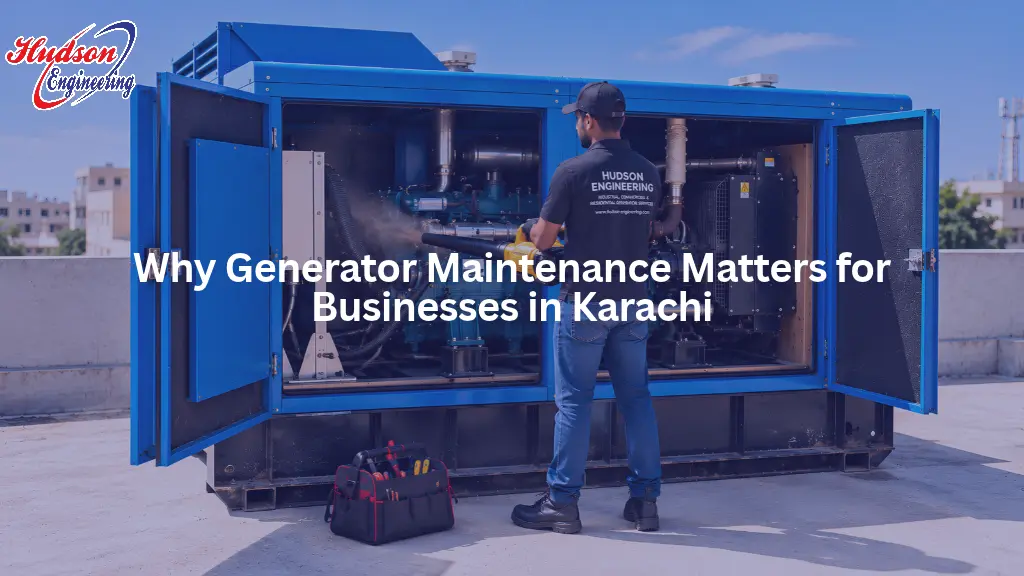
Explore why generator maintenance services matter in Karachi. Learn how diesel generator maintenance help prevent breakdowns & Keep operations running smoothly.

Explore the ways to choose the right generator for your restaurant in Karachi. Learn what reliable generator are and power is suitable for your restaurant.