Why Construction Sites Need Reliable Backup Power and Smart Engineering

Power is essential to construction sites, as nearly all major activities are dependent upon electrical support. Electric power is required for all heavy equipment, lighting, HVAC systems, pumping equipment, communication systems and other systems that utilise electric power. Even a small interruption of power will have immediate and often costly consequences. Power outages can cost industrial and construction operations hundreds of thousands of dollars per hour in lost productivity and delays, and nationwide blackouts in Pakistan have resulted in over Rs 100 billion in economic losses. To mitigate these costs, contractors with experience and expertise, such as Deepika Builtech, view reliable power planning as a critical construction strategy. Without a sufficient backup system, a single minor outage of electrical power could cause significant idle-time labour charges, wasted materials and delays that have a wide-reaching impact on the entire construction schedule.

Risks of Power Outages on Construction Sites

In addition to slowing down construction operations, a power loss can stop construction activity on a construction project completely. Cranes that are in operation can stop in the middle of a lift, concrete pours can be interrupted, and any electrical powered device that uses variable power will stop working. As a result of all these factors, the construction site will experience decreased productivity, increased rental costs for construction equipment, and the loss of material due to spoilage.

When power is lost, safety hazards on the construction site can increase quickly as well. Illumination, ventilation, alarm systems, and communication systems depend on the availability of electrical power, and when there is no electrical power provided to a construction site, visibility will be decreased, an excess of noxious fumes will build up within the work area, and the functioning of an emergency response system will be compromised. Night time work, or working inside confined spaces, becomes very dangerous when power is lost. There are legal requirements for certain emergency loads to be continually provided with electrical power, which creates the necessity for the use of reliable backup electrical sources on a construction site.

Key problems caused by outages:

  • Worker safety issues: Accidents occur when visibility is poor and emergency systems are not operational.
  • Equipment damage: Tools fail, motors stall, and essential operations can’t proceed.
  • Schedule delays: Until power is restored, there is an interruption of planned activities.
  • Added costs: The result of the idle labour, waste of materials, overtime; dramatically increases project costs.

Due to the increasing number of outages because of severe weather and an increase in power demand, having a reliable backup system is no longer a choice.

Common Backup Power Systems

Diesel or Gas Generators

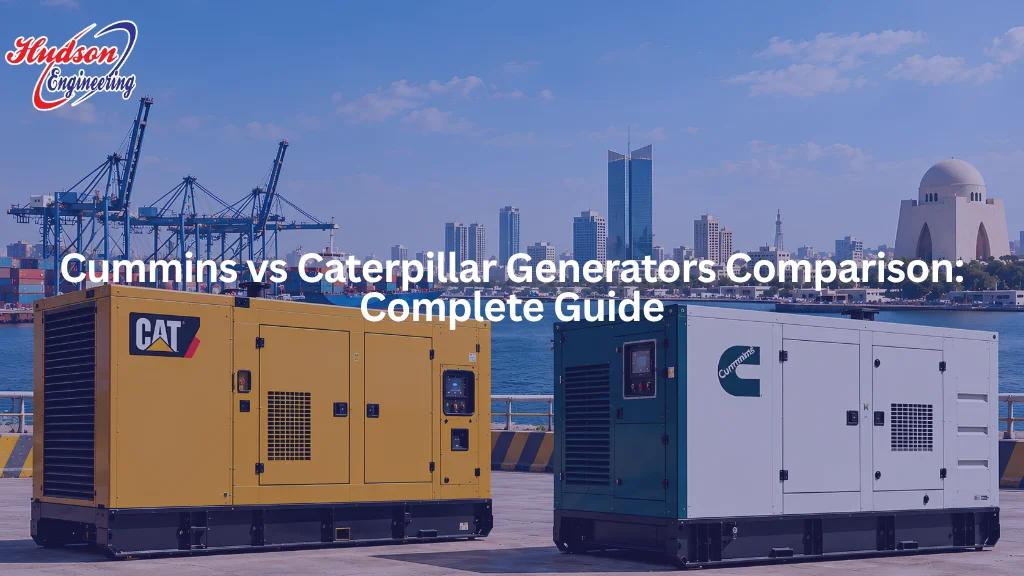
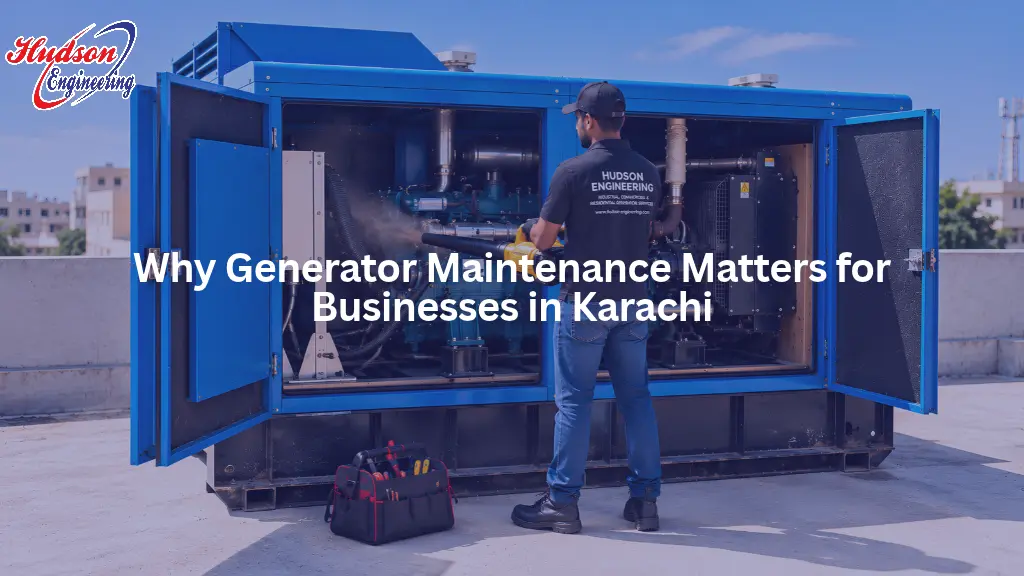
Temporary uses for construction projects typically involve diesel generators. These types of generators are very flexible, available in various sizes, easily portable, and capable of supporting very heavy loads. Generators can power many different tools and equipment. The engineer performing the sizing functions will need to identify the required load and will need to know how to size the generator for the expected loads, including motor starts.

Pros: High output, reliable, widely available.
Cons: Fuel costs, maintenance, emissions and noise.

Battery Energy Storage and UPS

Portable battery storage systems are becoming more common on job sites. These systems provide immediate, silent emergency power for small to medium sized loads they may also double as a source of backup batteries for diesel generators until the generator starts up and is able to provide power. UPS systems are used to protect the sensitive electronic equipment on job sites, while mobile battery carts can provide much cleaner power with a much lower level of emissions and can be run on job sites 24 hours a day, 7 days a week.

Pros: Silent, no fuel, instant response.
Cons: Limited runtime and higher cost per kwh.

Hybrid Generator-Battery Systems

Hybrid storage systems are being developed that will function as hybrid storage battery systems with a diesel generator. Hybrid systems will allow the battery to support the load, while the generator will only be needed during peak periods of demand or when the battery needs to be recharged; most hybrid systems will have smart control systems and solar integration. The hybrid system will minimize fuel usage, minimize noise produced by diesel generators, and increase the lifespan of diesel generators.

Pros: Lower fuel use and quieter operation.
Cons: Higher upfront cost and more complex controls.

Portable uninterruptible power supply devices are available to assist in the operation of closed circuit television systems, security systems, and IT equipment. While solar technology can operate equipment during the day, a backup power supply is still necessary for night time operations.

Share This Article:
About The Author:
Similar Blogs
You May Also Like
How Does a Generator Transfer Switch Work: A Practical Guide for Safe Backup Power

How Does a Generator Transfer Switch Work: A Practical Guide for Safe Backup Power

Curious how does a transfer switch work for a generator? These simple steps will explain how does an automatic transfer switch work on a generator in detail.

Fix Your Generator Fast: How to Clean a Generator Carburetor in Simple Steps

Fix Your Generator Fast: How to Clean a Generator Carburetor in Simple Steps

Learn how to clean a generator carburetor with our easy guide. Follow these steps for cleaning a generator carburetor to fix starting issues and keep it running

Backup Generator Maintenance Guide: How Often Should You Service It?

Backup Generator Maintenance Guide: How Often Should You Service It?

Learn how often should a generator be serviced and the ideal diesel generator service intervals to avoid unexpected failures. Keep your backup generator ready.