What Size Generator Do You Need to Power a House?
Unsure what size generator do you need to power a house? Our guide shows you what size generator to power a house to keep your electric appliances running.
Diesel generators remain among the most effective and efficient energy options in both commercial and industrial use. As the global market is poised to keep rising in the coming decades, these machines are central to the smooth running of operations.
Nevertheless, even the best generators will occasionally malfunction. Whether you’re dealing with common generator problems or diesel generator starting problems, understanding what may go wrong is the first step to keeping your system in top shape. By learning the most common generator problems and solutions, you can extend the life of your equipment and ensure reliable performance. Whether it’s common portable generator problems or large industrial units, diagnosing and resolving faults, or knowing when to call a professional, will help you get the best return on your investment.
These are among the most common generator problems and their solutions.
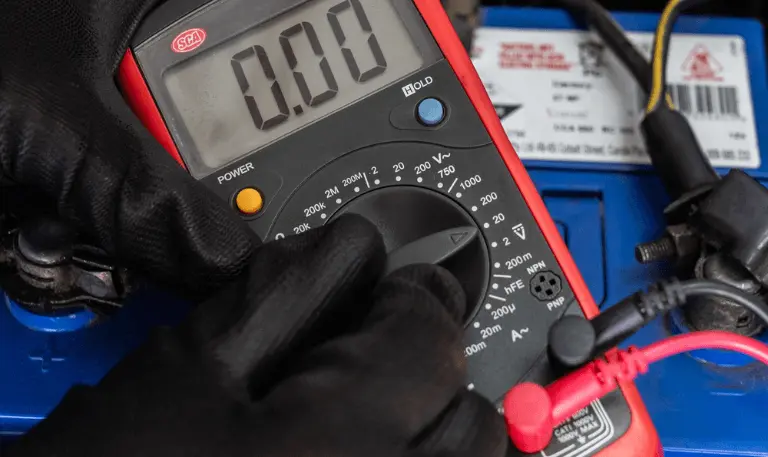
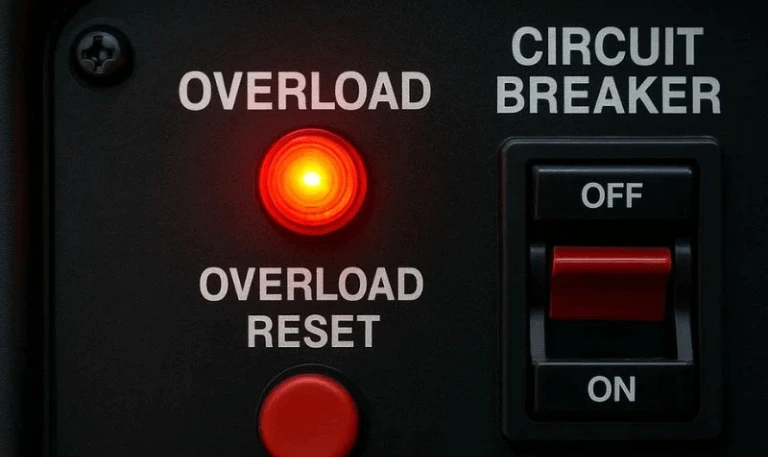
Battery issues are among the most common generator problems, no matter the model. In many cases, this happens due to simple human error. For example, the electrical board might have been switched off during routine maintenance. Often, a quick check of the circuit breaker and resetting the correct slot can resolve the issue.
Another common cause is dirty or corroded connections. Dust, rust, and debris can build up on the terminals that connect the battery to the generator, preventing a solid connection. Using a wire brush to clean these terminals will usually restore proper function.
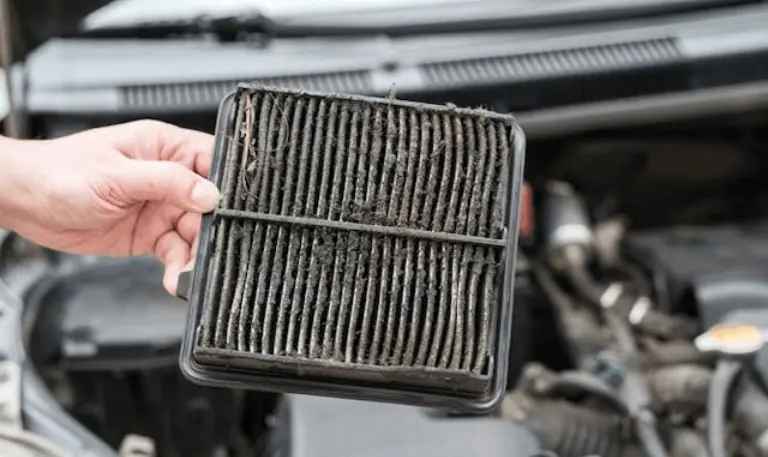
Generators rely on clean air filters to keep out dirt, dust, and other impurities. When these filters get clogged or overly dirty, they restrict airflow and stop your generator from running at its best. Over time, this can even shorten the overall lifespan of your unit.
It’s a good idea to inspect the filter every few months. If both sides are heavily soiled, the safest option is to replace it with the right size. To lower replacement costs and avoid frequent changes, many generator owners choose reusable filters that can be cleaned and used again.
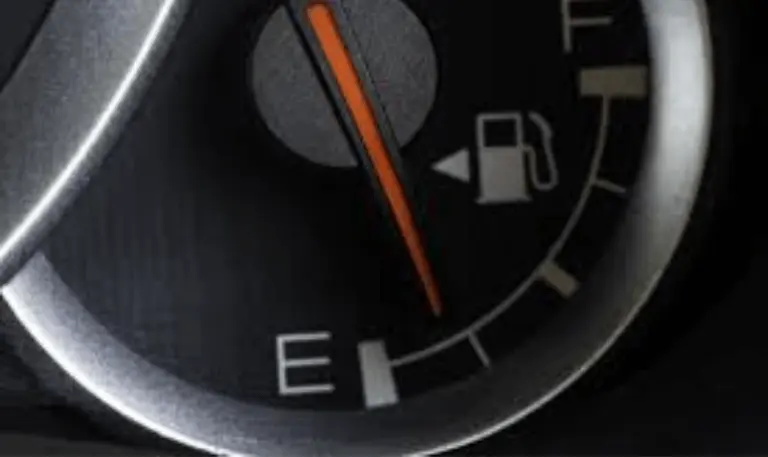
One of the most typical reasons a generator won’t start is simply running out of fuel. Always check the diesel generator fuel levels first if your unit refuses to power up. If you notice higher-than-normal fuel consumption, this could signal a leak that needs immediate attention.
Another frequent issue is faulty gauges. Sometimes, the fuel gauge may get stuck, showing the tank as full while in reality, your generator is nearly empty. Regular inspections and proper maintenance can help you avoid these common problems with generators.
Wet stacking is one of the most common problems of diesel generators, leading to reduced efficiency. This issue occurs when unburned fuel, oil, and condensed water build up inside the exhaust system and leak out as a thick, dark liquid.
Fortunately, wet stacking can often be resolved by burning off the excess fuel. To prevent it from happening again, keep an eye on exhaust temperatures and schedule regular load bank testing or generator paralleling to maintain peak performance.
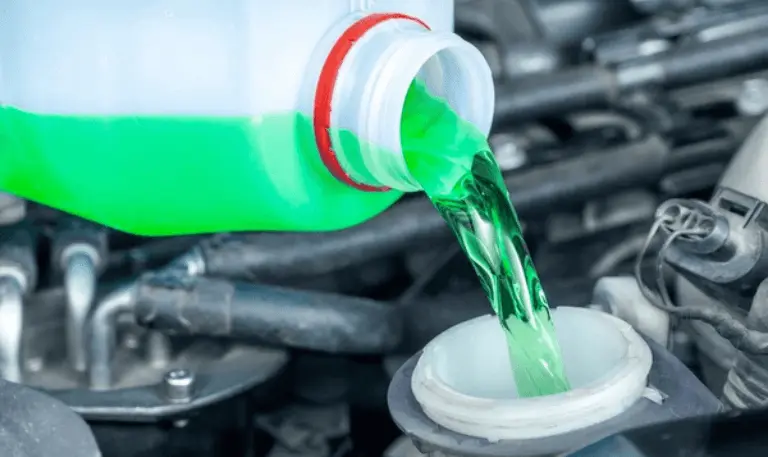
Coolant is essential for regulating your generator’s engine temperature, keeping components from freezing in cold weather or overheating during heavy use. By circulating heat, coolant ensures your system runs at the proper operating temperature.
Over time, coolant levels can drop as water evaporates under high heat. If levels fall too low, your generator risks overheating and losing efficiency.
The best way to avoid this is through routine maintenance. Regularly check coolant, oil, and fuel levels to keep your system balanced. Staying proactive with fluid checks also helps you detect leaks early, reducing the chance of common generator problems like overheating.
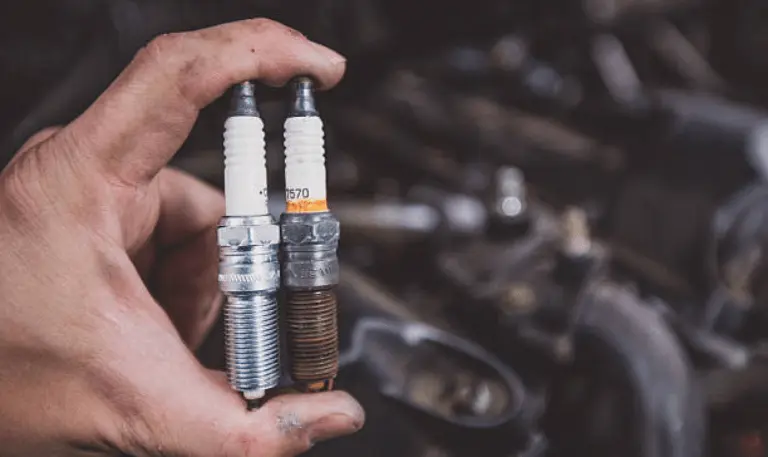
A faulty spark plug is another one of the common generator problems that can stop your unit from starting or running smoothly. When spark plugs wear out, they fail to ignite the fuel-air mixture properly, causing misfires, rough operation, or even complete failure to start. This issue is more frequent in portable generators, where spark plugs may need replacement more often due to heavy usage.
The solution is simple, regular inspection and timely replacement of spark plugs. Cleaning minor carbon buildup can restore performance, but if the plug is cracked, corroded, or worn, it’s best to replace it with the manufacturer-recommended part. Staying on top of spark plug maintenance ensures your generator runs efficiently and helps avoid larger generator problems and solutions that come from neglect.
Block heaters play a critical role in keeping diesel generators ready for quick starts, especially in colder climates. They maintain the engine at a warm temperature so the generator can start efficiently when needed. When block heaters fail, the engine may struggle to turn over, leading to delays or even complete failure to start, one of the most frustrating common generator problems for operators.
Most block heater issues come from burned-out heating elements, faulty thermostats, or damaged wiring. Regular inspections can help you spot early signs of failure, such as visible cracks in the heater or inconsistent engine warmth. Replacing faulty components and ensuring proper electrical connections can prevent costly downtime and keep your generator operating at peak reliability.
Overheating is one of the most common generator problems that can cause serious damage if not addressed promptly. It often results from low coolant levels, blocked air flow, or malfunctioning radiator fans. When a generator overheats, it can trigger automatic shutdowns, warp engine components, or reduce the overall lifespan of the machine.
To prevent overheating, regularly check coolant, oil, and fuel levels, and make sure the air vents are clear of dust and debris. Cleaning the radiator and ensuring the fan is working properly can also reduce risks. If your generator continues to run hot despite maintenance, it may point to deeper generator problems and solutions that require professional inspection. Staying proactive will keep your system running safely and efficiently.
Overloading is another one of the common generator problems that happens when the electrical demand placed on the generator is higher than its rated capacity. This often leads to overheating, tripped breakers, and long-term damage to vital components. In diesel units, continuous overloading can also cause wet stacking or shorten the overall engine life.
The best solution is to monitor your generator’s load carefully and make sure it is sized correctly for your operational requirements. Practicing load management by distributing electrical demand evenly and avoiding unnecessary equipment running at the same time helps protect your system. If overloads occur frequently, it may be time to upgrade to a larger unit to avoid recurring generator problems and solutions that impact efficiency and reliability.
Low power output is one of the common problems with generators that can be frustrating during critical operations. It usually occurs when the engine is not running at full efficiency, which may be caused by clogged fuel filters, worn-out parts, or poor maintenance. In diesel models, this issue can also result from dirty injectors or problems with fuel quality.
To resolve low power output, start with routine maintenance such as cleaning or replacing filters, checking injectors, and inspecting key engine components. If the generator continues to produce less power than expected, it may point to deeper mechanical or electrical issues that require professional support. Staying proactive with maintenance ensures steady performance and prevents recurring generator problems and solutions that can affect productivity.
Generators are sophisticated machines made up of many components, which means they are inevitably prone to wear and tear over time. Even with regular upkeep, unexpected issues can arise that disrupt performance. The key to minimizing downtime is knowing the common generator problems and solutions, so you can troubleshoot smaller issues quickly and recognize when professional assistance is needed.
By taking a proactive approach, through routine inspections, timely repairs, and awareness of issues like common portable generator problems or diesel generator starting problems, you can extend the lifespan of your equipment. This not only prevents costly breakdowns but also ensures reliable power for both commercial and industrial operations.

Abdul Khaliq Muhammad Khan is a mechanical engineer and the founder of Hudson Engineering. With over 25 years of experience in power generation industry, he specializes in troubleshooting complex engine failures and designing backup power systems for large industrial facilities. Abdul Khaliq has spent his career ensuring critical infrastructure stays powered. When he isn’t busy on job sites, he writes helpful tips to make sure business owners never have to worry about power cuts.
Unsure what size generator do you need to power a house? Our guide shows you what size generator to power a house to keep your electric appliances running.
Curious how does a transfer switch work for a generator? These simple steps will explain how does an automatic transfer switch work on a generator in detail.
Learn how to clean a generator carburetor with our easy guide. Follow these steps for cleaning a generator carburetor to fix starting issues and keep it running