How Does a Generator Transfer Switch Work: A Practical Guide for Safe Backup Power
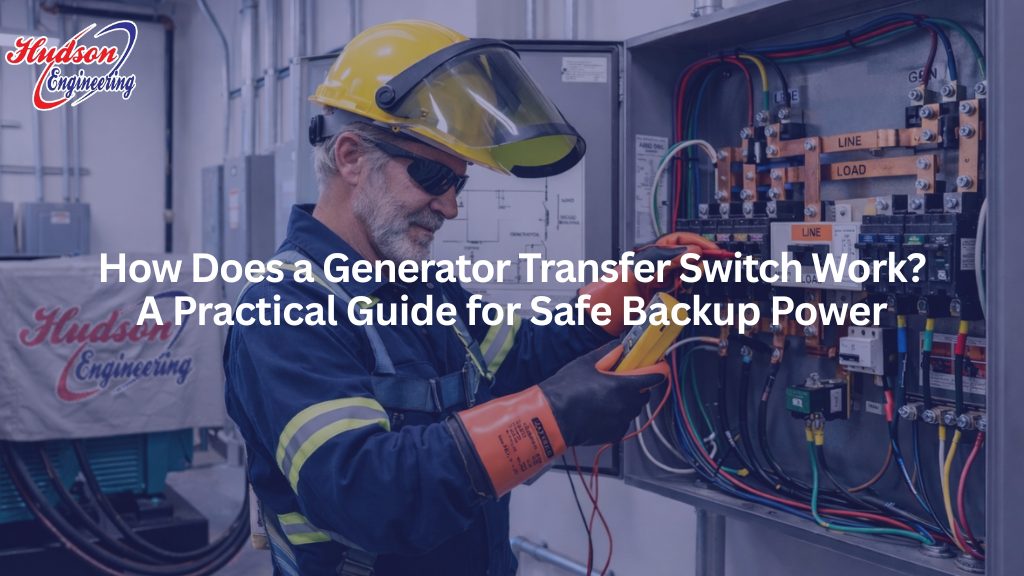
Curious how does a transfer switch work for a generator? These simple steps will explain how does an automatic transfer switch work on a generator in detail.
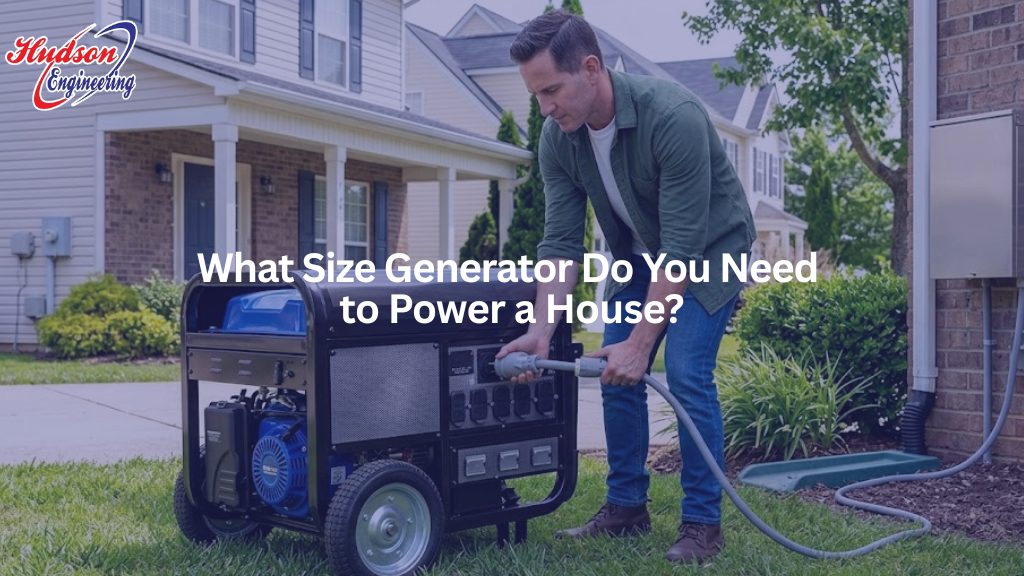
Power outages are never convenient. Whether it’s a short disruption or a long blackout, having the right generator can make all the difference. But one question comes up again and again: what size generator is needed to power a house?
The truth is, there’s no single answer. The right size depends on how much of your home you want to run and which appliances matter most during an outage. This guide breaks down everything you need to know so you can confidently decide what size generator to run a house without overpaying or underpowering your system.
Before getting into numbers, it helps to think about what you want during an outage.
Do you want to run just a few essentials like lights and a refrigerator? Or do you expect your home to operate normally, including air conditioning, kitchen appliances, and water systems?
This is what ultimately determines what size generator to power a house.
To estimate how much watts to run a house, it’s easier to break it into levels based on usage.
This includes:
For this setup, a generator in the range of 3,000 to 5,000 watts is usually enough.
If you want a bit more comfort and flexibility, you might include:
In this case, you’ll need around 5,000 to 8,000 watts.
For running everything, including:
You may need 10,000 watts or more, depending on your total load.
If you want to know the more accurate size of a generator to run a house, a simple calculation can help.
Start by listing the appliances you plan to use during a power outage. Then check their wattage requirements. Most appliances have two values:
Add up all the running watts, then include the highest starting watt value from any one appliance. This total gives a realistic estimate of how big of a generator to power a house safely.
One of the most common mistakes is ignoring surge power.
Appliances like refrigerators, air conditioners, and water pumps need significantly more power at startup. If your generator cannot handle that surge, it may trip or shut down unexpectedly.
This is a key factor when deciding how big generator to power house without running into performance issues.
Not every home needs a large generator. The right choice depends on how you plan to use it.
A smaller generator makes sense if:
A larger generator is more suitable if:
Proper generator sizing also plays a big role in long-term performance and reliability. Also, regular generator servicing and maintenance help prevent overload issues and extend equipment life.
Another important factor in deciding what size generator is needed to power a house is the type of generator.
Portable units are more affordable and suitable for smaller loads. They require manual setup and are typically used for short-term or limited backup.
Standby generators are permanently installed and start automatically during a power outage. They are designed for higher capacity and can support full home operation.
Standby systems are often powered by diesel due to their efficiency and durability. This is one of the reasons highlighted in the pros and cons of diesel generators, especially for long-term backup use.
Choosing the wrong generator size can lead to unnecessary problems. Some common issues include:
Avoiding these mistakes can save you from frequent breakdowns and unexpected costs.
Choosing a generator isn’t just about selecting a number; it’s about matching your home’s power needs with a reliable solution that works when it matters most.
In larger homes and commercial setups, improper sizing can cause frequent breakdowns, reduced efficiency, and higher maintenance costs. This is often resolved during commercial generator overhauling, where system performance is closely tied to load capacity and design.
A properly sized generator keeps your home running, protects appliances, and ensures long-term efficiency. For expert guidance, installation, and maintenance, Hudson Engineering helps select the ideal generator tailored to your requirements.

Abdul Khaliq Muhammad Khan is a mechanical engineer and the founder of Hudson Engineering. With over 25 years of experience in power generation industry, he specializes in troubleshooting complex engine failures and designing backup power systems for large industrial facilities. Abdul Khaliq has spent his career ensuring critical infrastructure stays powered. When he isn’t busy on job sites, he writes helpful tips to make sure business owners never have to worry about power cuts.

Curious how does a transfer switch work for a generator? These simple steps will explain how does an automatic transfer switch work on a generator in detail.
Learn how to clean a generator carburetor with our easy guide. Follow these steps for cleaning a generator carburetor to fix starting issues and keep it running
Learn how often should a generator be serviced and the ideal diesel generator service intervals to avoid unexpected failures. Keep your backup generator ready.