How to Choose a Generator for Your Home

Power outages can interrupt daily life—whether due to bad weather, system failures, or unexpected blackouts. That’s when having a reliable generator makes all the difference, keeping your home powered and your family safe during emergencies. But with so many options available, many homeowners struggle with how to choose a generator for your home or how to pick the right generator that fits their specific needs.

At Hudson Engineering, we’ve spent over 25 years helping homeowners make confident and informed decisions about their backup power systems. Whether you want to power just the essentials or keep your entire house running smoothly, our experts guide you through how to choose the right generator and ensure you’re fully prepared when the lights go out.

Step 1: Determine Your Home’s Power Requirements

Before deciding how to choose a generator for your home, you first need to understand your exact home’s power requirements. Do you only want to keep essential appliances running, or do you need to power your entire house? Knowing this will help you determine how to pick the right generator in terms of size, capacity, and fuel type.

Basic Home Coverage

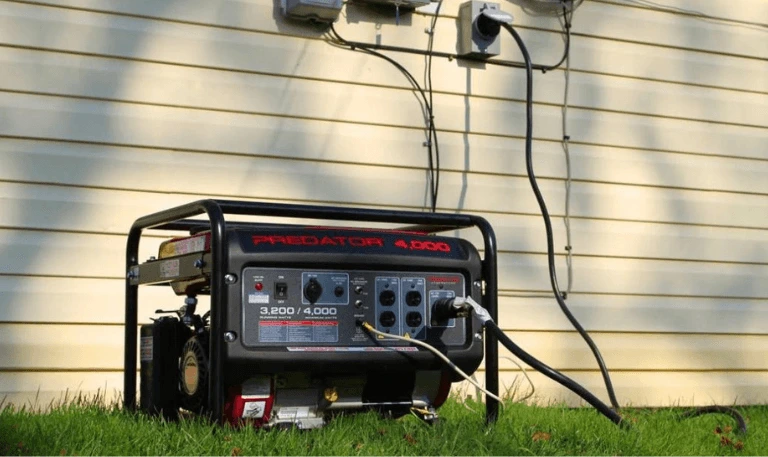
If your goal is to keep only the basics running during a power outage, a smaller portable generator is usually enough. It can handle essential items such as:

  • Refrigerator or freezer
  • Basic lights and outlets
  • Medical or mobility equipment
  • Security systems

For homeowners who just want to cover critical appliances, this option is a cost-effective and reliable solution.

Complete Home Coverage

If you’d rather maintain complete comfort during outages, a whole-house generator is a better investment. These larger units can handle:

  • HVAC systems (cooling and heating)
  • Kitchen and cooking appliances
  • Water pumps or heaters
  • All home electronics and lighting

Step 2: Select the Right Fuel Source

When learning how to choose a generator for your home, understanding the available fuel options is crucial. Each type of generator fuel has its own advantages and limitations, and the right choice depends on your home setup, location, and power needs.

Natural Gas

Natural gas generators are among the most convenient options since they connect directly to your home’s existing gas line. This means you’ll have a continuous fuel supply and very little need for manual refueling.

Ideal for: Homes with an active natural gas connection
Benefits: Continuous fuel availability, low maintenance, lower emissions, and reliable operation

Propane

If your home isn’t connected to a gas line, propane is an excellent alternative. Propane-powered generators are efficient, store well for long periods, and burn cleaner than gasoline.

Ideal for: Homes in rural or off-grid areas
Benefits: Long shelf life, clean-burning fuel, safe and easy storage

Diesel

Diesel generators are known for their power and longevity, making them a top choice for large homes or heavy-duty applications. While they’re less eco-friendly than gas or propane, they provide exceptional performance and reliability.

Ideal for: Large houses or high-power applications
Benefits: High efficiency, long engine life, strong power output

Step 3: Choose the Right Size Generator

Once you understand your power needs and fuel type, the next step in how to choose a generator for your home is selecting the correct size. Picking the right generator ensures your home stays powered efficiently without wasting fuel or money.

Small Generators (5,000–7,500 watts)

These compact generators are ideal for homeowners who want to power only essential appliances, like refrigerators, lights, and a few outlets during an outage.

Mid-Sized Generators (8,000–12,000 watts)

If you need to run multiple appliances and maintain comfort during blackouts, mid-sized generators are perfect. They provide enough power for a larger portion of your home without being oversized.

Whole-House Generators (12,000–22,000 watts or more)

For full-home backup, whole-house generators can support every system in your house, including HVAC units, kitchen appliances, water heaters, and electronics.

Step 4: Professional Installation

While DIY installation might seem tempting, it’s always best to rely on professionals when setting up a generator. Proper installation ensures that your generator operates safely, efficiently, and in compliance with all local codes.

Step 5: Keep Your Generator Maintained

A generator is only reliable if it’s well maintained. Neglecting routine upkeep can lead to unexpected failures or malfunctions when you need backup power the most.

Regular maintenance includes:

  • Changing the oil at the right intervals (see our guide on how to change oil in a generator for proper steps)
  • Replacing air and fuel filters
  • Testing batteries and electrical connections
  • Inspecting fuel systems for clogs or leaks
  • Running performance tests to ensure proper operation

Benefits of Owning a Generator

Owning a generator brings peace of mind and ensures your home stays powered, no matter the situation. Here are some key advantages:

  • Power Outages: Keep your home running smoothly during blackouts.
  • Comfort: Maintain heating, cooling, and climate control systems.
  • Food and Medicine: Prevent spoilage and keep critical medical equipment operational.
  • Security: Ensure lights, alarms, and security systems remain active.

Ready to Power Your Home?

generator common problems

Choosing the right generator can make all the difference during an emergency. Our experts guide you on how to choose a generator for your home and help you select the perfect generator for your home based on your power needs and budget.

With over 25 years of experience, Hudson Engineering provides trusted, reliable generator services that homeowners can count on. Contact us today for a free estimate and professional guidance on how to buy a generator for your house, ensuring your home stays powered and your family stays safe during any outage.

Share This Article:
About The Author:
Similar Blogs
You May Also Like
What Size Generator Do You Need to Power a House?

What Size Generator Do You Need to Power a House?

Unsure what size generator do you need to power a house? Our guide shows you what size generator to power a house to keep your electric appliances running.

How Does a Generator Transfer Switch Work: A Practical Guide for Safe Backup Power

How Does a Generator Transfer Switch Work: A Practical Guide for Safe Backup Power

Curious how does a transfer switch work for a generator? These simple steps will explain how does an automatic transfer switch work on a generator in detail.

Fix Your Generator Fast: How to Clean a Generator Carburetor in Simple Steps

Fix Your Generator Fast: How to Clean a Generator Carburetor in Simple Steps

Learn how to clean a generator carburetor with our easy guide. Follow these steps for cleaning a generator carburetor to fix starting issues and keep it running